
NewsDetails
Technical Specifications for Connection Fittings in Power Grids
author:Dachuan time:2026-04-17 14:09:39 Click:69
Technical Specifications for Connection Fittings in Power Grids
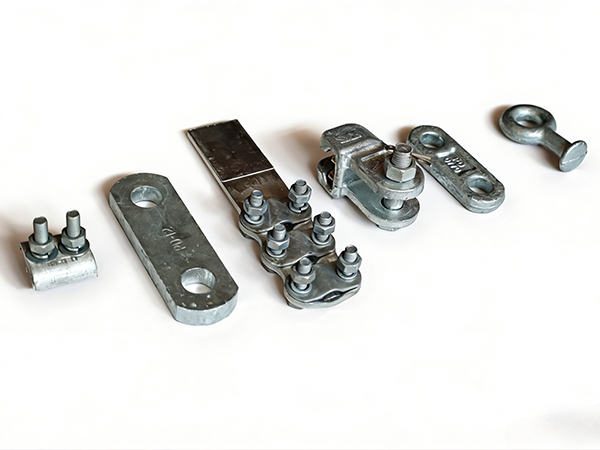
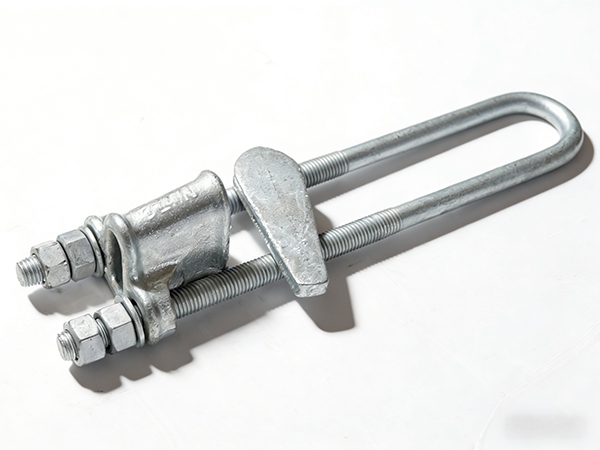
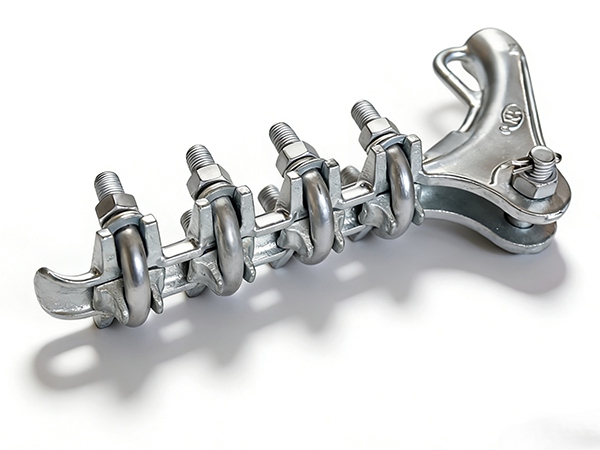
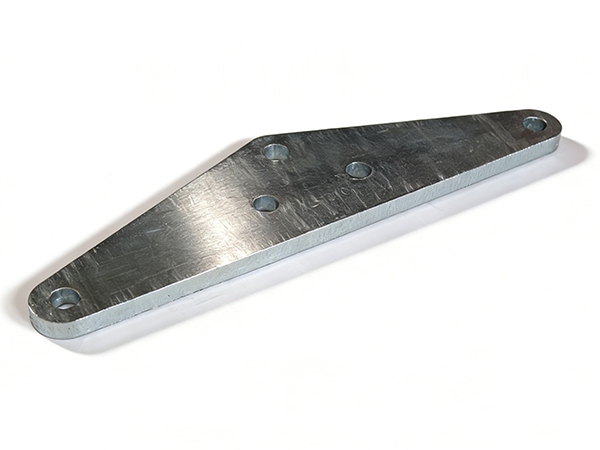
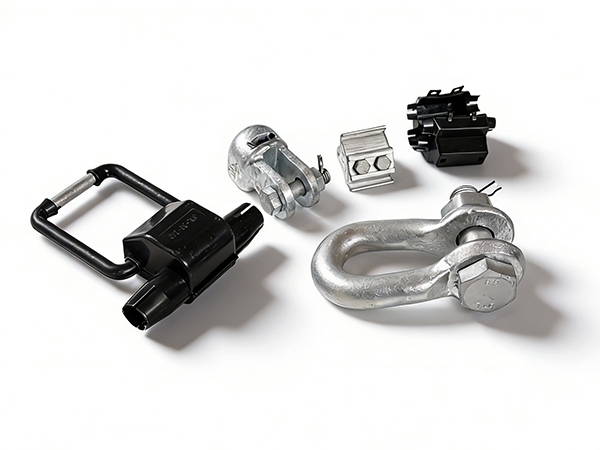
Connection fittings in power grids are essential components used to link conductors, insulators, and structural elements in overhead transmission and distribution systems. These fittings include clevises, shackles, clamps, yoke plates, sockets, and connector assemblies. Their technical specifications define mechanical strength, electrical performance, dimensional accuracy, material requirements, and environmental durability to ensure safe and reliable grid operation.
1. Overview of Connection Fittings
Connection fittings serve as mechanical and electrical interfaces in power systems, ensuring:
Secure load transfer between components
Stable mechanical connection under dynamic loads
Electrical continuity where required
Flexibility for installation and alignment
Long-term durability in outdoor environments
They are widely used in voltage levels from 10kV distribution networks to 220kV and above transmission systems.
2. Material Technical Requirements
2.1 Base Materials
Common materials include:
Carbon steel (most widely used)
High-strength alloy steel
Ductile iron (nodular cast iron)
Stainless steel (corrosive environments)
2.2 Mechanical Property Requirements
Materials must meet:
High tensile strength for load-bearing parts
Sufficient yield strength to prevent permanent deformation
Adequate elongation for impact resistance
Good fatigue resistance under cyclic loading
2.3 Chemical Composition Control
Controlled carbon content for strength and weldability
Limited impurities (sulfur, phosphorus)
Alloying elements (Mn, Cr, Ni) for improved performance
3. Mechanical Performance Specifications
3.1 Rated Mechanical Load (RML)
Defines maximum working load under normal conditions
Must comply with design safety factors
3.2 Ultimate Mechanical Strength
Minimum breaking load requirement
Typically 2.5–3.5 times working load
3.3 Fatigue Performance
Ability to withstand cyclic loading from wind and vibration
No crack initiation under specified test cycles
3.4 Deformation Limits
No permanent deformation under rated load
Controlled elastic deformation only
4. Dimensional and Structural Requirements
4.1 Dimensional Accuracy
Tight tolerance control for assembly compatibility
Standardized hole spacing and connector geometry
4.2 Interchangeability
Components must be compatible across manufacturers
Standardized interface design for global applications
4.3 Structural Design Features
Smooth transitions to reduce stress concentration
Reinforced load-bearing sections
Rounded edges to improve fatigue resistance
5. Surface Treatment Requirements
5.1 Hot-Dip Galvanizing
Primary corrosion protection method
Zinc coating thickness typically controlled by IEC/ASTM standards
Must ensure uniform coverage without bare spots
5.2 Alternative Coatings
Zinc-aluminum alloy coatings for severe environments
Duplex systems (galvanizing + paint) for long service life
Special coatings for coastal or industrial zones
5.3 Coating Performance Requirements
Strong adhesion to base metal
Resistance to peeling and cracking
Long-term corrosion protection
6. Electrical Performance Requirements
6.1 Conductivity (if applicable)
Some connectors require low electrical resistance
Stable contact interface design
6.2 Corona and Discharge Control
Smooth surfaces to reduce corona effect
Avoid sharp edges in high-voltage applications
6.3 Insulation Coordination
Maintain required electrical clearance distances
Compatible with insulator string design
7. Environmental Performance Requirements
7.1 Corrosion Resistance
Must withstand humidity, salt spray, and industrial pollution
Designed for long-term outdoor exposure
7.2 Temperature Resistance
Stable performance under extreme cold and heat
No brittle fracture at low temperatures
7.3 UV and Aging Resistance
Resistance to ultraviolet radiation effects
Long-term material stability in open-air conditions
7.4 Wind and Vibration Resistance
Fatigue resistance under continuous oscillation
Secure locking under dynamic loading
8. Testing and Verification Standards
8.1 Mechanical Testing
Tensile strength test
Proof load test
Fatigue life test
8.2 Environmental Testing
Salt spray corrosion test
UV aging test
Thermal cycling test
8.3 Non-Destructive Testing (NDT)
Ultrasonic testing for internal defects
Magnetic particle inspection for cracks
Dye penetrant testing for surface flaws
9. Installation and Assembly Requirements
Proper torque control for fasteners
Correct alignment of connectors and fittings
Use of locking devices to prevent loosening
Compliance with installation drawings and specifications
Avoid over-tightening or eccentric loading
10. Quality Assurance and Certification
Connection fittings must comply with:
ISO 9001 quality management system
IEC 61284 – overhead line fittings requirements
ISO 1461 – hot-dip galvanizing standards
ASTM A153/A153M – coating specifications
IEEE guidelines for power hardware reliability
Full traceability of materials and production batches is required.
11. Common Technical Issues
Improper dimensional tolerance causing assembly mismatch
Insufficient galvanizing thickness leading to corrosion
Fatigue cracks due to poor stress distribution
Loose connections from improper torque application
Surface defects affecting electrical performance
12. Future Development Trends
High-strength lightweight alloy materials
Advanced corrosion-resistant coatings (Zn-Al-Mg systems)
Modular and standardized connector systems
Digital twin-based performance simulation
Smart monitoring connectors with embedded sensors
13. Conclusion
Technical specifications for connection fittings in power grids define the critical requirements for safety, performance, and durability. By ensuring proper material selection, mechanical strength, corrosion protection, and standardized design, these components provide reliable mechanical and electrical connections across transmission and distribution systems. Continuous improvements in materials science and manufacturing technologies are enhancing the efficiency and lifespan of modern power grid connection systems.
References
IEC 61284 – Overhead lines – Requirements and tests for fittings
IEC 60826 – Design criteria for overhead transmission lines
ISO 9001 – Quality management systems
ISO 1461 – Hot-dip galvanized coatings on fabricated iron and steel articles
ASTM A153/A153M – Zinc coating standards for steel hardware
IEEE 978 – Guide for testing overhead line hardware
CIGRÉ Technical Brochures on Overhead Line Connection Hardware
 Recommended Products
 Contact us
—— Contact:Manager
—— Tel:+86 15631793633
—— Email:960244024@qq.com
—— Url:https://www.dachuan-power.com
—— Address:Liugusi Town, Hejian City, Cangzhou City, Hebei Province, China