
ProductsDetails
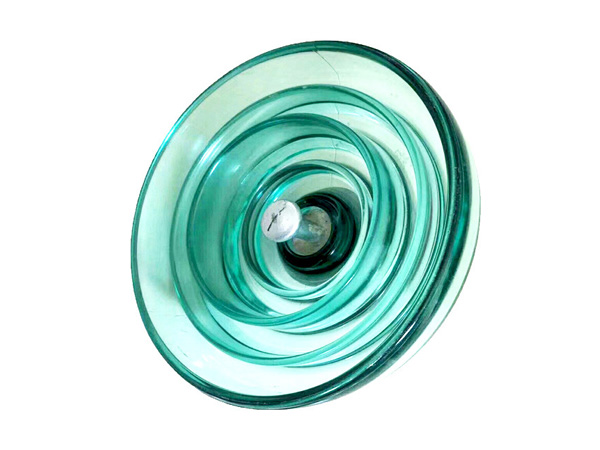
Glass Insulator
Glass Insulator – Product Overview
The Glass Insulator is a widely used electrical insulation component in overhead power transmission and distribution systems. It is designed to provide reliable mechanical support and high dielectric performance for conductors, ensuring safe isolation between energized lines and supporting structures. Due to its excellent strength, transparency, and long service life, the glass insulator is commonly applied in high-voltage and extra-high-voltage transmission networks.
Manufactured from high-quality tempered toughened glass, the Glass Insulator is produced through precise melting, molding, and controlled rapid cooling processes. This creates internal compressive stress within the glass body, significantly enhancing its mechanical strength and resistance to impact. The smooth surface of the insulator helps reduce contamination adhesion and improves long-term insulation stability in outdoor environments.
Key Features and Advantages
One of the primary advantages of the Glass Insulator is its excellent mechanical strength. The toughened glass structure provides high resistance to tensile and compressive loads, making it suitable for long-span transmission lines and heavy conductor applications. Its strength ensures stable performance even under extreme weather conditions such as strong winds, ice loading, and vibration.
Another key feature is its superior electrical insulation performance. The glass material offers high dielectric strength, effectively preventing leakage current and flashover between energized conductors and grounded structures. This ensures safe and reliable operation in high-voltage environments.
A unique advantage of the glass insulator is its self-detecting failure property. In the rare event of damage or internal failure, the glass shatters completely, making defects easily visible during inspection. This eliminates hidden faults and improves maintenance safety and efficiency.
The product also offers excellent aging resistance and long service life. Unlike some polymer materials, glass does not degrade under UV radiation or environmental exposure, ensuring consistent performance over decades of operation. Its smooth surface also provides good pollution resistance, reducing the risk of flashover in contaminated environments.
Applications
Glass Insulators are widely used in overhead high-voltage and extra-high-voltage transmission lines, where they are assembled into suspension or tension insulator strings. These strings support conductors on transmission towers and ensure proper electrical insulation across long distances.
They are also used in substations, railway electrification systems, and industrial power distribution networks that require high reliability and mechanical strength. In addition, they are suitable for coastal, desert, and industrial environments where pollution resistance is critical.
Manufacturing Process and Quality Control
The manufacturing process involves high-temperature melting of raw glass materials, followed by precision molding and rapid controlled cooling (tempering). This process creates a strong internal stress structure that enhances mechanical performance and durability.
Strict quality control procedures are implemented, including mechanical tensile testing, electrical withstand testing, impulse voltage testing, and dimensional inspection. Each insulator is manufactured in compliance with international standards such as IEC and ANSI to ensure consistent quality and reliability.
Customization and Packaging
Glass Insulators can be customized according to voltage level, mechanical strength requirements, creepage distance, and fitting configuration. OEM and ODM services are available to meet specific engineering and project requirements.
Products are typically packaged in reinforced wooden crates or export-grade cartons with shock protection to ensure safe transportation and prevent damage during handling and shipping.
Conclusion
The Glass Insulator is a highly reliable and durable solution for high-voltage overhead line insulation. With its excellent mechanical strength, superior dielectric properties, and self-detecting safety feature, it ensures long-term stability and safety in power transmission systems. Its proven performance and long service life make it an essential component in modern electrical infrastructure worldwide.
 Recommended News
-
Reliability Analysis of Power Fittings under Extreme Environments
2026-04-17 05:24:46
-
Application of Power Fittings in Distribution Network Upgrading
2026-04-17 05:24:23
-
Quality Inspection Standards for Finished Power Hardware
2026-04-17 05:23:51
-
Installation Technology and Safety Specifications for Power Fittings
2026-04-17 05:23:25
-
Structural Optimization of T-Type and Terminal Clamps
2026-04-17 05:22:33
Contact us
—— Contact:Manager
—— Tel:+86 15631793633
—— Email:960244024@qq.com
—— Url:https://www.dachuan-power.com
—— Address:Liugusi Town, Hejian City, Cangzhou City, Hebei Province, China